
This guide will help you to lower your BP using natural and easy-to-afford foods.
High Blood Pressure (BP) is one of the most common, yet most frequently ignored, invisible threats to men’s health.
You don’t feel it, but every moment, it’s forcing your heart to work harder and silently damaging your arteries.
If you’ve been told you need to manage your BP, your first thought might be medication, but the most powerful tool for both immediate and long-term control is not in a pharmacy; it’s in your kitchen.
Research has conclusively shown that dietary changes are a primary defense, often allowing people to stabilize their numbers and significantly lower your BP naturally.
While reducing salt is crucial, the real secret lies in actively consuming ingredients that work on a molecular level to relax your vessels and improve circulation.
Think of it as a natural, home-made vasodilator. This is not about expensive superfoods. This is about five simple, easily sourced ingredients you can integrate into your meals today.
We’ll show you the exact science behind how these foods; from Beetroot to Ginger; signal your arteries to Widen, Protect, Relax, and improve Flow, giving you a proven strategy to permanently Lower Your BP.
Now, let’s turn your plate into your most effective defense.
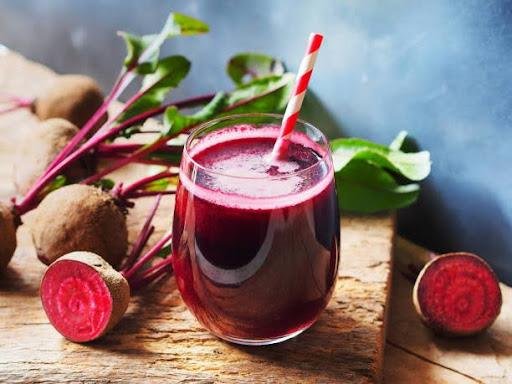
1. Beetroot Juice:
For quick and reliable results, nothing beats the nitrate power of beetroot.
This is Why it works:
Beets are exceptionally high in inorganic nitrates. When consumed, your body converts these nitrates into nitric oxide (NO), a potent signaling molecule that relaxes the smooth muscles in your arteries.
This relaxation instantly widens blood vessels, lowering the pressure inside.
A 2018 meta-analysis confirmed that consumption of beetroot juice significantly reduces systolic blood pressure.
While the effect on diastolic pressure is less consistent across studies, the substantial drop in systolic BP makes beetroot an excellent, reliable option to naturally lower your BP.
How to use it:
Drink a glass (around 250ml) of beetroot juice a few hours before a high-stress event, or incorporate it into your daily routine. Mixing it with apple or carrot juice can improve the earthy flavor.
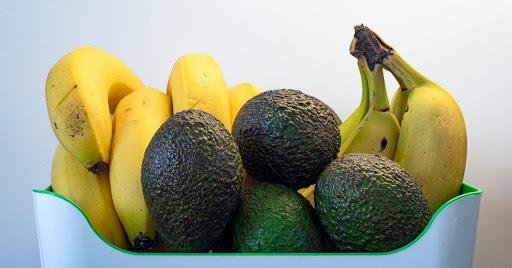
2. Potassium-Rich Bananas & Avocados
The delicate balance of sodium and potassium is crucial for blood pressure regulation. Sodium raises BP; potassium lowers it.
Why they work:
Potassium helps your body excrete excess sodium through urine. It also eases tension in your blood vessel walls.
Bananas and avocados are two of the easiest ways to boost your intake.
High dietary potassium intake is associated with lower risks of stroke and cardiovascular disease. One medium banana provides around 422mg of potassium (about 9% of the daily value).
How to use it:
Add sliced avocado to your toast or salad, or make a potassium-packed smoothie with a banana.
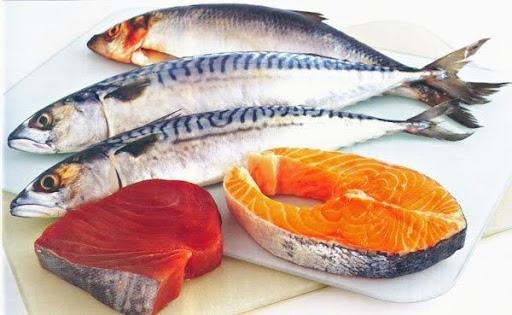
3. Fatty Fish (Salmon & Mackerel)
Forget saturated fats; your heart needs healthy fats.
Why they work:
Fatty fish are packed with Omega-3 fatty acids (EPA and DHA).
These polyunsaturated fats reduce systemic inflammation and are powerful tools for improving blood vessel function, preventing plaque buildup, and lowering overall blood pressure.
Studies show that Omega-3 supplements, or consuming fish twice a week, can lead to small but clinically significant reductions in blood pressure, especially in those with moderate to high levels of hypertension.
How to use it:
Aim for two servings of fatty fish per week, such as salmon, mackerel, or trout.
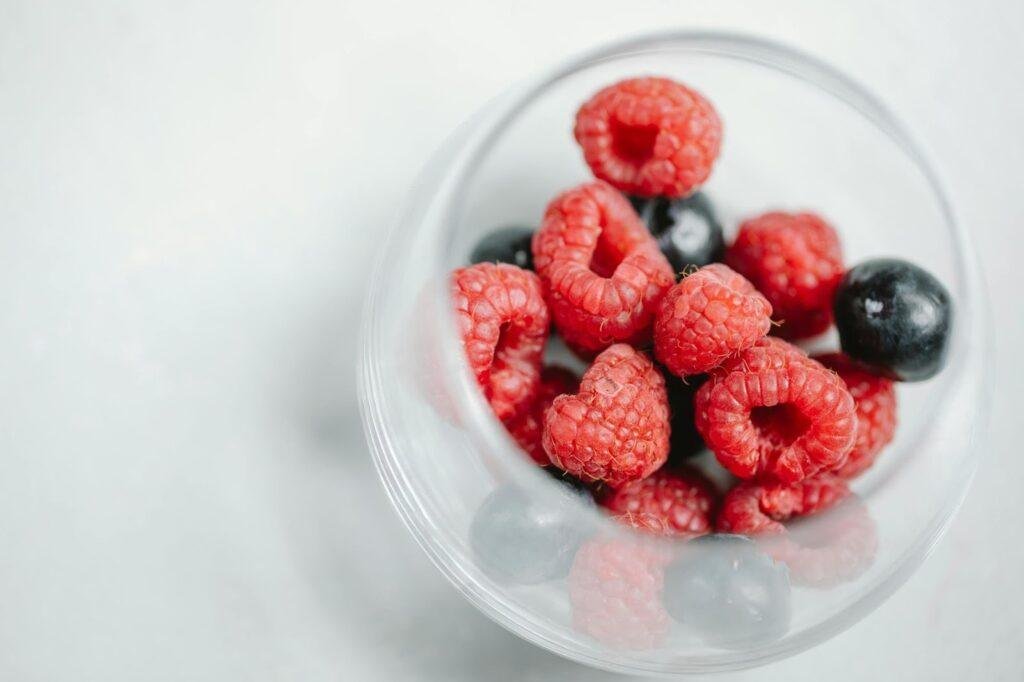
4. Berries (Blueberries & Raspberries)
These small fruits are packed with powerful antioxidants.
Why they work:
Berries are rich in anthocyanins, a type of flavonoid that gives them their deep red and blue colors.
Anthocyanins are powerful antioxidants that prevent damage to the linings of your blood vessels and stimulate the production of nitric oxide (just like beets).
A study published in the National Institutes of Health found that regular consumption of blueberries and strawberries significantly improved flow-mediated dilation (FMD)—a key measure of blood vessel health.
How to use it:
Sprinkle a handful of fresh or frozen berries over your oatmeal, yogurt, or salad daily.
5. Whole Oats & Grains
Dietary fiber does more than just aid digestion—it’s a critical tool for blood pressure management.
Why they work:
Whole grains, particularly oats, are high in soluble fiber, which acts like a sponge in your digestive system, binding to cholesterol and preventing its absorption.
Lower cholesterol and healthier weight management contribute to reduced arterial stiffness and, consequently, lower blood pressure.
Regular consumption of whole grains has been linked to a reduced risk of hypertension. The specific fiber in oats, beta-glucan, is particularly effective at lowering both cholesterol and blood pressure.
How to use it:
Start your day with a bowl of plain, unsweetened oatmeal. Look for 100% whole-grain bread and pasta.
Disclaimer:
Always consult with your doctor before making significant dietary changes, especially if you are currently taking medication for high blood pressure or other heart conditions. Food is medicine, but it should complement, not replace, medical advice.
Final Word: Consistency is Key
The combined effect of these five signals; Widen, Protect, Relax, Flow, and Sustain—creates a powerful defense against hypertension.
This is not about dramatic, temporary fixes; it’s about making small, consistent dietary choices.
Start by incorporating just one or two of these items daily, and you’ll be giving your heart and arteries the ongoing support they need to Lower Your BP naturally and keep it stable.
READ HERE:
The 15 Essential Medical Tests For Men Over 40
——————————