
Sleep deprivation is not just a minor inconvenience; it’s a critical health issue with profound impacts on our mental well-being.
Across Africa, the constant pressure to excel in a demanding world often means men are sacrificing their rest, a practice that is simply not sustainable.
The consequences are real and are backed by data: research shows that Black adults are disproportionately affected, often getting less than the recommended seven hours of sleep per night compared to their White counterparts.
This is beyond just feeling tired; it’s how this lack of rest can silently erode your focus, your mood, and your sense of self-worth.
It can leave you feeling irritable, anxious, and disconnected from the people and things you care about most.
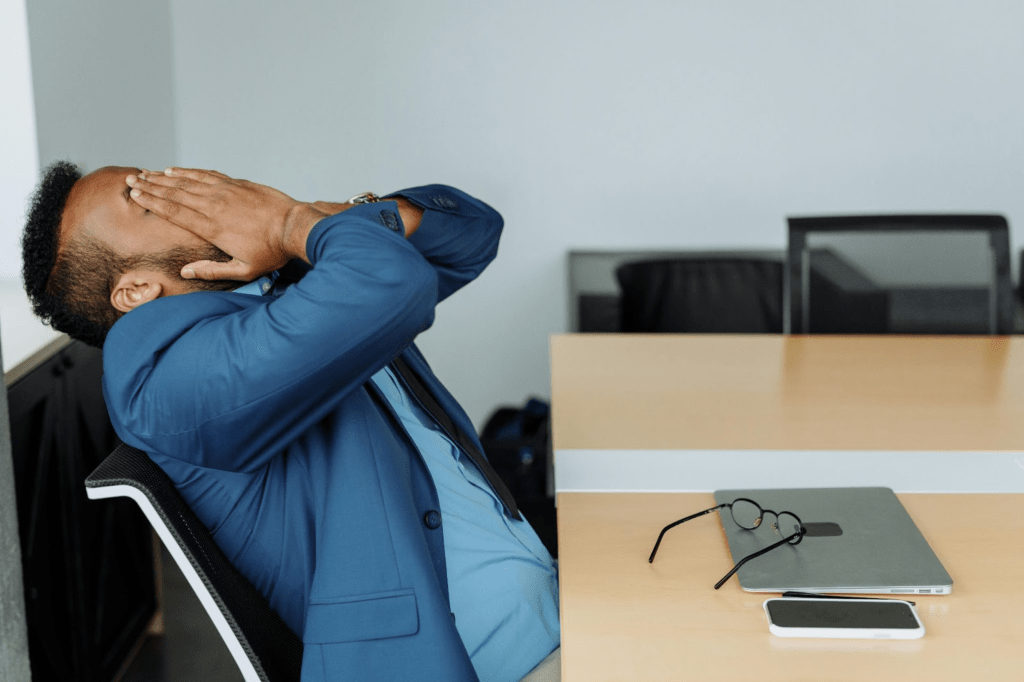
Understanding the Science of Sleep
The value of sleep is often underestimated, yet it is one of the most critical processes for our mind’s health and performance.
Think of sleep not as a period of inactivity, but as an essential “housekeeping” session for your brain.
During this time, your brain is hard at work, performing vital tasks like consolidating memories, processing the day’s emotional events, and clearing out metabolic waste products that build up while you’re awake.
This is a microscopic, yet powerful process—in fact, the effects of sleep deprivation begin at a cellular level.
The nightly housekeeping happens across two main stages: NREM (Non-Rapid Eye Movement) and REM (Rapid Eye Movement) sleep.
NREM sleep is a deeper, more physically restorative stage, during which your body repairs tissues, grows muscle, and strengthens the immune system.
Following this, you transition into REM sleep, the stage most associated with dreaming.
During REM sleep, the brain is highly active, consolidating memories and integrating new information.
A disruption to either of these stages can have a domino effect on your well-being.
Without a full cycle of both NREM and REM, your brain loses its ability to effectively regulate emotions and maintain cognitive sharpness, leading to a direct and profound impact on your mental health.
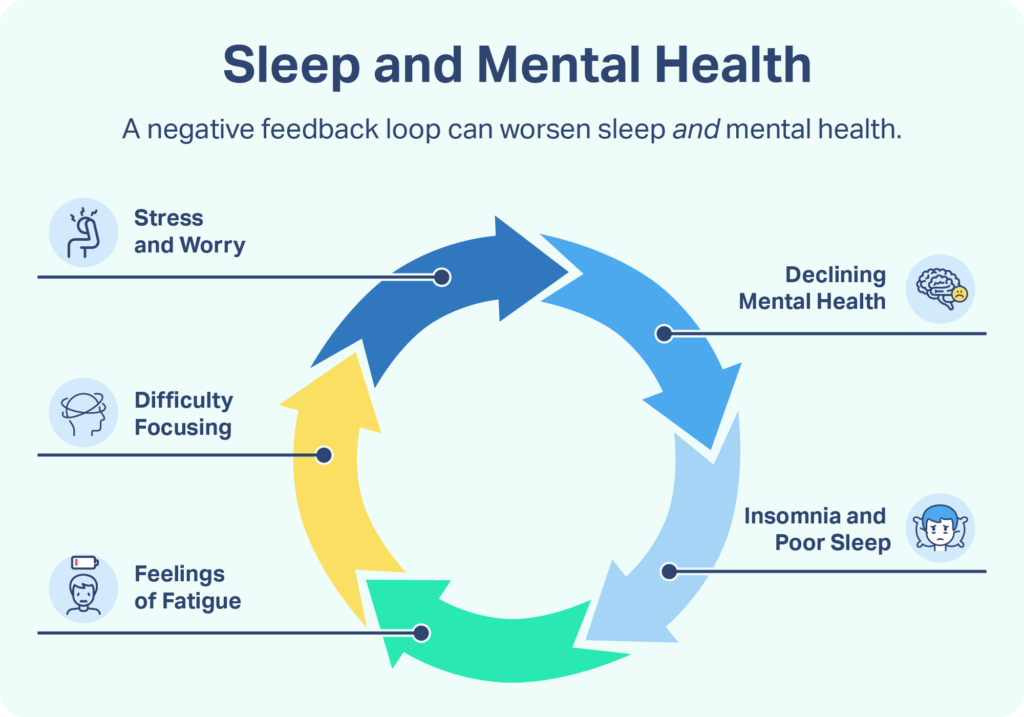
Source: Sleep Foundation
The Direct Effects of Sleep Deprivation on Mental Health
Beyond the foundational cellular and neurological processes, a lack of sleep has immediate and often devastating effects on your mental state and emotional stability.
These aren’t just minor inconveniences; they are a direct attack on your daily functioning and overall quality of life.
- Emotional Regulation
One of the first casualties of poor sleep is your emotional resilience.
Studies consistently link insufficient sleep to increased irritability, mood swings, and a shorter temper.
When you’re tired, your brain’s prefrontal cortex—the area responsible for rational thought and impulse control—is compromised.
This can lead to a quick, and sometimes disproportionate, emotional response to small frustrations.
For instance, a minor traffic jam that you’d normally shrug off can suddenly feel like a personal affront, making you feel a loss of control over your own emotions.
- Cognitive Function and Performance
The effects of sleep deprivation directly impair decision-making and cognitive abilities.
Research from institutions like the National Institutes of Health (NIH) confirms that a lack of sleep leads to reduced focus, slower reaction times, and poor judgment.
This is why you might find yourself staring blankly at a spreadsheet, unable to make sense of the data, or taking longer to solve a simple problem.
Your brain isn’t just tired; its processing speed and efficiency have been significantly reduced.
- Increased Anxiety and Stress
A sleepless night can make you feel on edge. This isn’t just your imagination—it’s a biological reality.
A lack of sleep keeps your nervous system on high alert, causing an elevation in cortisol, the body’s primary stress hormone.
Think of it like a car’s engine running at a redline all the time. Crazy!
Your body is in a constant state of low-level stress, and even small stressors can push you past your breaking point, making you more susceptible to anxiety and emotional overload.

Beyond the Mind: The Physical Manifestations
While the mental and emotional effects of sleep deprivation are often the most noticeable, the crisis extends far beyond the mind.
A lack of restorative sleep can lead to a significant decline in your physical health, making you more vulnerable to illness and impairing your body’s ability to repair and perform.
- Immune System Impairment
Think of your immune system as a 24/7 security team. When you’re consistently sleep-deprived, that team is understaffed and overworked.
Chronic sleep loss can significantly weaken your immune system, making you more susceptible to common illnesses like the cold and flu.
Studies show that a lack of sleep decreases the production of infection-fighting antibodies and cells.
So, while you’re burning the midnight oil, you’re also making your body’s job of fending off sickness much harder.
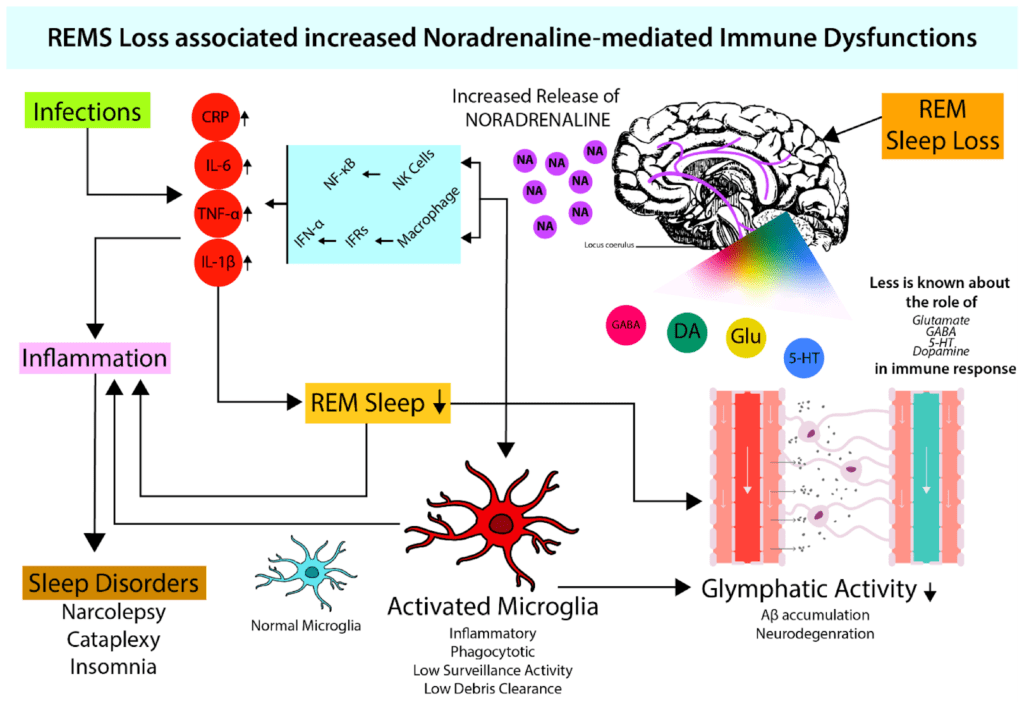
Source: mdpi.com
- Physical Resilience
The effects of sleep deprivation are also evident in your physical energy and recovery.
When you don’t get enough sleep, your body’s ability to repair itself after a workout or a physically demanding day is severely compromised.
Poor sleep is directly linked to increased inflammation and slower muscle repair, meaning your muscles don’t recover as efficiently and you’re more prone to injury.
This creates a vicious cycle: you feel too tired to exercise, but without exercise, your sleep quality may suffer even more.
Read Alex’s Story: The Cost of Chronic Sleep Deprivation
To truly understand the consequences of poor sleep, it’s helpful to look at a real-world case study.
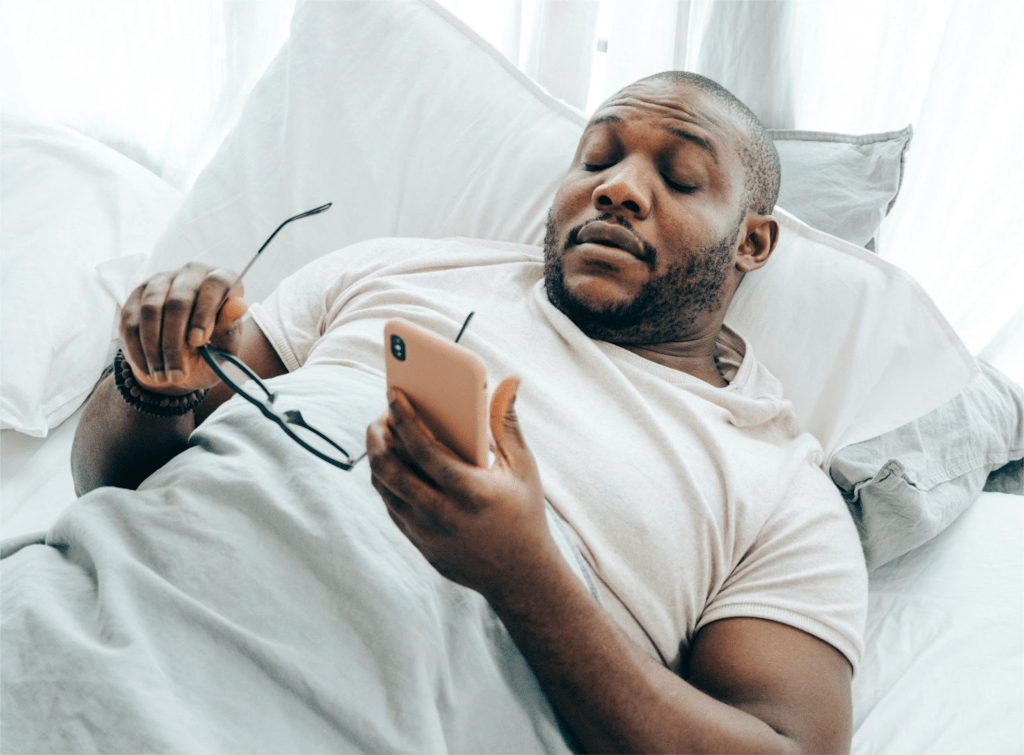
Alex, a 35-year-old marketing manager who prides himself on being a high performer.
For months, Alex has been working late, often getting by on four to five hours of sleep per night. He tells himself it’s a necessary sacrifice for his career.
- The Decline
At first, the effects were subtle. Alex’s focus began to slip during morning meetings, and he found himself re-reading emails multiple times.
Small tasks took longer to complete, and his creative problem-solving—once a strength—seemed to have vanished.
His boss noticed, commenting on his recent lack of attention to detail.
- Emotionally, Alex was on a roller coaster. Minor setbacks at work or home would send him into a fit of frustration.
His short fuse began straining his relationship with his partner, who described him as “always on edge.”
The humor and patience he once had were gone, replaced by a deep-seated irritability that made him difficult to be around.
He was also less likely to engage in social events, feeling a constant state of exhaustion that made him isolate himself from friends.
- Physically, the toll was also adding up. Alex, an avid runner, found his times were getting slower, and he was constantly sore. His body simply wasn’t recovering.
He also noticed that every cold or minor bug seemed to linger for weeks, a clear sign that his immune system was faltering.
The cost of his “sleep debt” was no longer just about feeling tired; it was impacting his work, his relationships, and his fundamental health.
Alex’s story is a clear illustration of how the effects of sleep deprivation are cumulative.
It wasn’t one bad night, but a consistent pattern that led to a complete breakdown in his physical and mental well-being.
We can Help you Reclaim Your Rest: A Guide to Better Sleep
Understanding the severe effects of sleep deprivation is the first step; the next is taking control of your sleep habits.
A few simple changes can make a world of difference in your sleep quality and, in turn, your overall health and well-being.
1. Establish a Consistent Sleep Schedule
Your body thrives on routine. Go to bed and wake up at the same time every day, even on weekends.
This helps regulate your body’s internal clock, known as your circadian rhythm. Consistency is key to training your body to expect sleep at a certain time.
2. Create a Relaxing Bedtime Ritual
Signal to your body that it’s time to wind down. This can include taking a warm bath, reading a book, or listening to calm music.
Avoid screen time—the blue light emitted from phones and computers can suppress melatonin, the hormone that regulates sleep. Aim to disconnect at least an hour before you plan to sleep.
3. Optimize Your Sleep Environment
Your bedroom should be a sanctuary for sleep. Ensure it’s dark, cool, and quiet.
Use blackout curtains to block out light, and consider a fan or white noise machine to drown out disruptive sounds. A comfortable mattress and pillows are also crucial.
4. Watch Your Diet and Exercise
Avoid large meals, caffeine, and alcohol close to bedtime. While alcohol might make you feel drowsy initially, it can disrupt your sleep cycle later in the night.
Regular physical activity can greatly improve sleep quality, but try to finish your workouts at least a few hours before you go to bed.
———————————-
How Menvive Comes In
Sleep deprivation is a major contributor to men’s mental health challenges.
At Menvive, we understand the unique pressures faced by African men and those in the diaspora.
Our mission is to provide accessible and culturally relevant resources to help you tackle these challenges, including the debilitating effects of insufficient rest.
We provide a safe space and actionable tools to help you build a lifestyle of sustained well-being.
Our Resources
We offer a range of resources designed to help you on your journey to better mental and physical health.
Check out some of our offerings below:
- Community Support:
Join our online forums to connect with other men who understand your journey, share experiences, and find mutual support.
- Wellness Guides:
Access our free guides on stress management, mindfulness, and creating a healthy work-life balance.